
Covenant = Relationship, not a rulebook.
To the early believers, the Old Covenant felt less like a legal code and more like a marriage vow — a binding relationship of love, loyalty, trust, and identity.
They didn’t picture Moses holding a list of regulations.
They pictured God saying:
“I will be your God, and you will be My people.”
That was the heartbeat.
The “laws” were expressions of that relationship — not prerequisites for it.
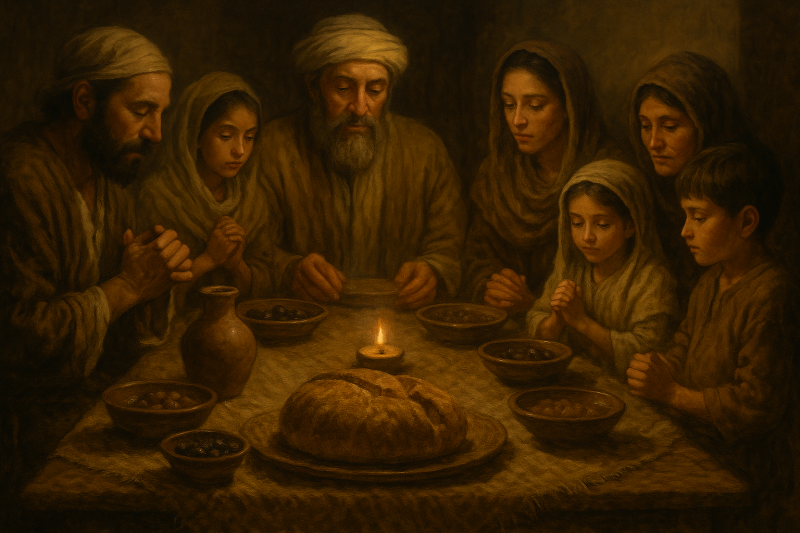
Example 1 — The Sabbath Meal
A Jewish follower of Jesus didn’t think,
“I keep Sabbath because it's command #4.”
They thought,
“I stop my work because God stopped His. We rest together. This is our shared rhythm.”
It was like a weekly anniversary date — a reminder of who they belonged to.

Example 2 — Caring for the Poor
When they left the corners of their fields unharvested,
they weren’t thinking, “Moral law or civil law?”
They thought: “God took care of me when I had nothing. I reflect His heart when I take care of others.”
It was loyalty. Love. Family responsibility.
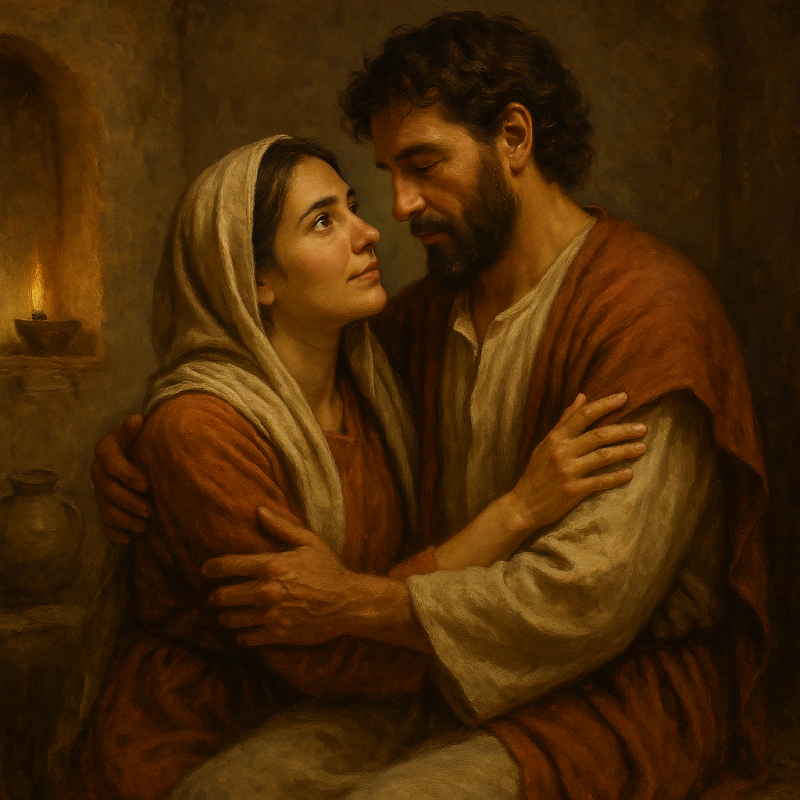
Example 3 — Faithfulness in Marriage
“Do not commit adultery” wasn’t a rule. It echoed God’s own faithful love.
They saw adultery as betraying the covenant,
the same way Israel betrayed God in the prophets.
Marriage reflected God’s relationship with His people.
Breaking it felt like breaking trust with God Himself.

Example 4 — Dietary Practices (for Jewish believers)
They didn’t say, “This is a ceremonial category.”
They said, “God asked Israel to be distinct. This is one of the ways I honor that story.”
It was about identity, not menu restrictions.
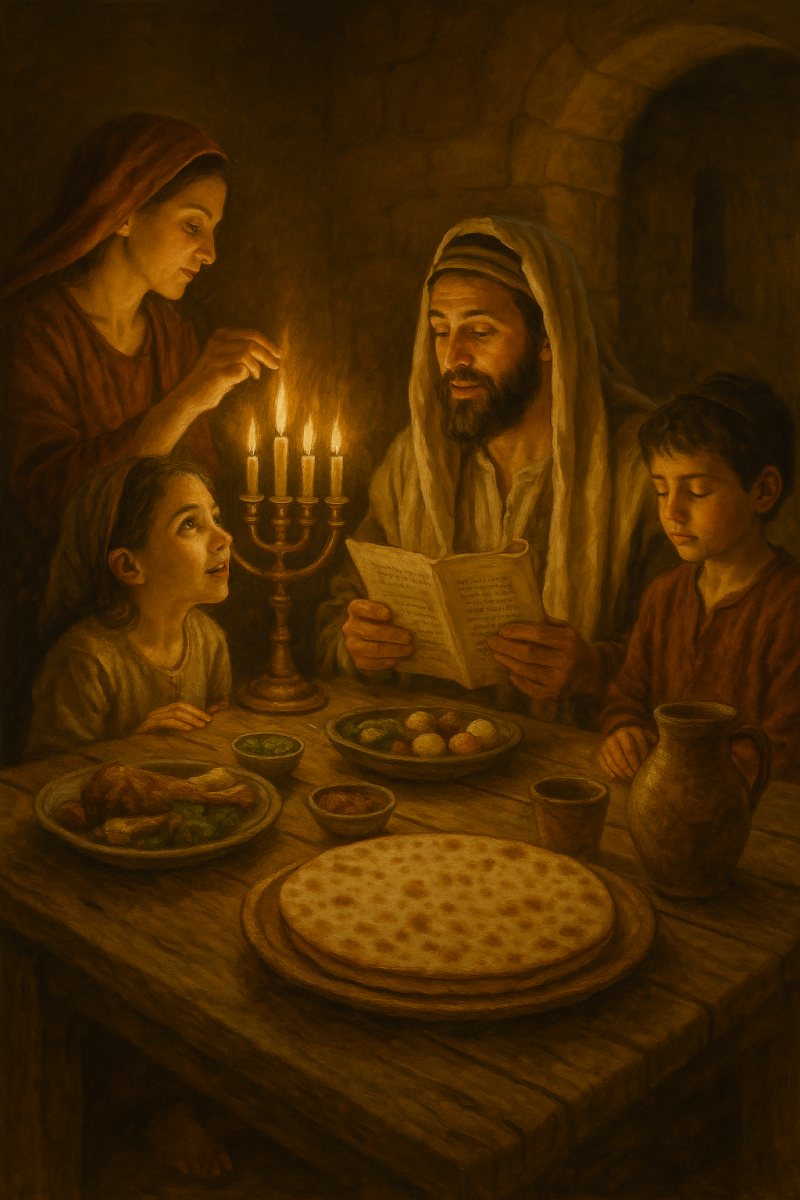
Example 5 — The Festivals
When Jewish believers celebrated Passover, they weren’t keeping rules they were remembering a rescue.
It was storytelling.
Family memory.
Reenacting the moment God took His people out of slavery and claimed them as His own.

Example 6 — Gentile Believers Joining the Family
Gentiles weren’t required to take on the Mosaic identity markers. Why?
Because covenant relationship was expanding,
the doors swung open wide.
The covenant wasn’t shrinking into rules. It was growing into a family.
The Point:
They didn’t obey to earn God’s love.
They obeyed because they already belonged to Him.
Covenant to them was
a table,
a home,
a shared life,
a God who stayed,
a people learning to stay faithful in return.
A Covenant Day
(Through the Eyes of a First-Generation Believer) **
The sun was just beginning to stretch its gold across the rooftops when Miriam opened her eyes. The house was still and quiet, only the soft breathing of her children filling the small room. Sabbath would begin at sundown, but preparation always began at first light.
She sat up, rubbed her eyes, and whispered the same words her grandmother had whispered every morning:
“You are my God… and we are Your people.”
It wasn’t a ritual.
It was a reminder —
that everything she did today flowed from belonging.
Morning: Preparing the Home (Covenant as Relationship)
Miriam rose before the others, tying her hair back as she moved. She struck the hearthstone, coaxing a flame to life. The smell of barley flour and olive oil soon filled the room.
As she kneaded dough, she didn’t think,
“I must prepare for Sabbath because the law says so.”
She thought,
“Tonight, we rest with Him. The One who rested first.”
Her hands moved with practiced grace, folding air and memory into the dough.
Sabbath was a relationship, not a rule.
A shared rhythm with the God who had rescued her people.
Morning: Preparing the Home (Covenant as Relationship)
Miriam rose before the others, tying her hair back as she moved. She struck the hearthstone, coaxing a flame to life. The smell of barley flour and olive oil soon filled the room.
As she kneaded dough, she didn’t think,
“I must prepare for Sabbath because the law says so.”
She thought,
“Tonight, we rest with Him. The One who rested first.”
Her hands moved with practiced grace, folding air and memory into the dough.
Sabbath was a relationship, not a rule.
A shared rhythm with the God who had rescued her people.
Washing and Cleaning (Identity Woven into Life)
Her youngest stirred, rubbing sleep from her eyes.
“Mama, is it Sabbath yet?”
“Not yet, little dove. But this is the day we prepare our hearts.”
The girl nodded like she understood, and she did, in a way only children can.
Miriam handed her a small broom. Together they swept the floor, shaking dust from rugs, folding cloaks, setting the home in order.
This wasn’t about impressing God.
It was about honoring the nearness of Someone who lived with them.
When her husband carried out the last pot to clean it, he wasn’t checking a requirement off a list.
He was preparing their space for peace. The peace that had become their family story.
Midday: The Field (Caring for the Poor)
Before the heat of the day set in, Miriam walked with her husband to the edge of their small barley plot. He harvested carefully, leaving the corners untouched.
Not because he feared punishment.
Not because of categories, like moral, ceremonial, or otherwise.
He left grain standing because he remembered when God took care of their ancestors in the desert.
“Someone hungry will come,” he said, leaning on his sickle.
“And when they do, they’ll know our God hasn’t forgotten them.”
Miriam smiled.
It was covenant generosity,
love lived outward.
Afternoon: Faithfulness in the Household (Marriage Reflecting God)
When they returned home, she found her older children arguing. Miriam stepped between them, calming their raised voices. Her husband watched her and the way she patiently corrected, gently restored the children and his heart warmed.
Their marriage wasn’t perfect, but it was faithful.
Not because of a command carved in stone,
but because their God had been faithful to them.
In choosing each other daily,
in forgiveness,
in quiet loyalty,
they were reflecting the covenant they lived inside.
Preparing Food (Dietary Identity)
She ground spices next, mixing them into the stew that would sit simmering until evening.
Her choices weren’t about restriction.
She wasn’t thinking:
“This is ceremonial law.”
She was thinking:
“This is how my family has lived for generations,
distinct, remembered, set apart.”
It wasn’t about what she couldn’t eat.
It was about the story she belonged to.
A story she wanted her children to taste.
Late Afternoon: Teaching the Children (Festival Memory)
As the stew cooked, she sat the children down with oil lamps unlit.
“What happened the night God brought our people out of Egypt?” she asked.
Their voices overlapped.
“He saved us!”
“He passed over our houses!”
“He led us out with a mighty hand!”
Miriam smiled.
They told the story as though they had lived it themselves.
Because in covenant memory, they had.
These festivals weren’t rules.
They were family stories —
rehearsals of rescue.
Her children learned who they were by remembering who God had been.
Sunset Approaches: Gentiles at the Door (Family Expanding)
Just as the sky began turning rose and amber, a soft knock sounded at the door.
Two Gentile believers — a young couple — stood shyly on the steps.
“We brought figs,” the man said.
“We weren’t sure… if we are welcome to join Sabbath.”
Miriam’s husband answered with a grin,
“You’re family. Come in.”
They didn’t require the couple to adopt Jewish customs.
They didn’t scrutinize their food traditions.
They didn’t ask for anything.
The covenant had expanded.
The table had grown.
The family had room.
Evening: Sabbath Begins (The Heart of Covenant)
As the sun finally dipped below the horizon, Miriam lit the lamp, covering her eyes for a moment as tradition taught.
Peace settled over the home like a warm blanket.
The table filled with bread, olives, figs, and the fragrant stew she had tended all day.
No one spoke for a long moment.
Not from obligation.
Not from rule.
But because rest felt sacred when shared with the God who rested first.
Her heart whispered a truth she lived every week:
They didn’t obey to win God’s love.
They obeyed because they already belonged to Him.
Tonight, the covenant looked like:
a warm home,
a full table,
leaving grain for strangers,
teaching children their history,
welcoming outsiders as kin,
faithfulness between husband and wife,
and rest that wrapped them like a promise.
A God who stayed.
And a people learning — slowly, beautifully —
to stay faithful in return.
🎵 “The Gift of the Seventh Day”
(Hope Scribed Worship – Traditional Covenant Style)
Verse 1
I’ve been running with the world,
chasing shadows in the street.
Forgot the quiet of Your presence,
the place You promised we could meet.
But You whisper through the ages,
“Come and lay your burdens down.”
Return to what is holy,
to the rhythm You first found.
Chorus
So I step out of the world,
leave the weight of it behind.
Turn my heart toward the ancient,
toward the rest You designed.
On the Sabbath, I remember
who You are and who I am—
A child held by a Father,
not forsaking what You planned.
Verse 2
The world keeps building idols,
calling noise a better way.
But You carved out holy silence
on the seventh, sacred day.
It’s a shelter from the chaos,
it’s a song the prophets knew—
A reminder of creation
and the covenant made new.
Chorus
So I step out of the world,
leave the weight of it behind.
Turn my heart toward the ancient,
toward the rest You designed.
On the Sabbath, I remember
who You are and who I am—
A child held by a Father,
not forsaking what You planned.
Bridge
Let me walk the old, old pathways
that the faithful walked before.
Let me honor what You’re keeping
though the world has closed the door.
Let my hunger be Your presence,
not the things that fade away—
Teach my heart the joy of resting
in the gift of Sabbath day.
Final Chorus
So I step out of the world,
leave the weight of it behind.
Turn my heart toward the ancient,
toward the rest You designed.
On the Sabbath, I remember
who You are and who I am—
Teach my soul to love the ancient,
and to hold Your holy plan.
Tag
I won’t forsake the old ways,
I won’t forget Your call.
Sabbath is a gift, Lord—
the greatest rest of all.
Add comment
Comments