How Did We Even Get Here
Acts 2:42–46
“They devoted themselves to the apostles’ teaching and to fellowship, to the breaking of bread and to prayer… they broke bread in their homes and ate together with glad and sincere hearts.”
You can almost hear the silence of modern Christianity groan at this truth: We have made everything fast.
Fast sermons.
Fast prayers.
Fast communion.
Fast “thanksgiving.”
Fast faith.
But the early church did nothing fast.
Not worship.
Not repentance.
Not fellowship.
Not thanksgiving.
And never, ever communion.
To understand what they did, step with me into the room.

Step Inside: A Room in the First Century
The gathering is small, maybe twenty people. No stage, no lights, no hum of a sound system in the background. Just a room, a table, and hearts in tune like strings on the same instrument. Lamps flicker against the clay walls, casting warm shadows. The air is rich with the scent of baked bread, olive oil, and the closeness of bodies in the tight space.
There are no chairs lined in rows, no pulpit, no set “program.” Only believers, family not by blood but by covenant, a community bound together by the Cross. Everyone brings something: bread from a farmer’s wife, lentils from a widow, dates from a fisherman, cheese pressed with trembling hands from someone barely making it. The food is laid on the table, not given from abundance, but from love.
This is the Agape Feast. The Love Feast. The truest kind of Thanksgiving.
A Stillness You Can Feel
Before anyone reaches for the food, a hush settles over the room. Not the stiff quiet of a modern “moment of silence,” but the deep stillness of hearts moving in unison. Heads lower, men bowing gently, women leaning in with quiet reverence. A child presses close to his mother, small hands finding comfort in hers, while others clasp fingers around the table.
Then, without ceremony, someone begins to pray, not to fill the silence, but because the moment seems to call for it. The words aren’t refined or rehearsed, just honest and unfiltered gratitude: “We thank You for the Body and the Blood. We thank You for the Lamb who took away our sins. We thank You for this family You have made us.” Softly, every voice answers “amen,” not out of polite agreement, but because the prayer now belongs to each of them.
This isn’t small talk; this is church, this is family, this is worship.
Communion Was Not a Ritual
The room sits in quiet stillness, hands resting near the single loaf placed at the center of the table. This is where it all begins. A elder reaches for the bread, not as a performance, but with deep reverence. He lifts it slightly, not for show, but in honor, and offers the familiar prayer of thanks: “We thank You, Father, for the life and knowledge You have made known to us through Your Servant Jesus.” This is the start of the Love Feast, and it always begins with the bread. He breaks it, the sound soft yet full of meaning, and the pieces are passed from hand to hand.
There’s no rush. Each person takes their piece, remembering what it stands for: His body, given for us. Only then does the meal begin. The room fills with warmth as believers pass simple dishes, lentils, bread, olives, with gentle care. Children lean against their parents, a widow is served first, someone quietly shares a testimony, another admits a struggle, and prayers rise like incense over the table. This isn’t small talk; this is church, this is family, this is worship.
The meal is slow, sacred, and shared. When the food is gone and the plates are cleared, a holy stillness returns. The cup is lifted: not at the start, but at the end, just as Jesus did, just as the earliest believers practiced. “After supper, He took the cup…” They recall the words: “This cup is the new covenant in My blood.” Each one drinks, not quickly or casually, but as the solemn, joyful close to the feast.
The bread began the gathering, the cup seals it. Bread opens the fellowship, the meal shows the unity, the cup confirms the covenant. This is how the early church gave thanks, a Thanksgiving the modern church has let slip away.
It’s real unity. Real confession. Real repentance. Real thanksgiving. I must add it looks beautiful and I crave that church so much.
The Love Feast Begins
They don’t eat until after communion. Each bite feels like part of the offering. Every dish is passed around, every face noticed, every burden understood. Someone sits quietly in tears, and nobody tells them to stop. Another speaks of their sin, and no one heaps shame. A widow admits she hasn’t eaten much all week, and her plate is filled first. A young believer tells their story, and the whole room breathes in gratitude. This is what church looks like.
This is the Body. This is the Lord’s table. Nothing fake. Nothing hurried. Nothing cold. It’s real unity. Real confession. Real repentance. Real thanksgiving.
Now Compare This to Today
These days, communion often gets squeezed into a quick two-minute slot between announcements and the sermon. We hand out prepackaged plastic cups, rush through the words, bow our heads while our minds stay busy, and turn the Lord’s table into a mere formality. We’ve built louder churches, bigger budgets, more talent, greater convenience, and endless “options.” Yet in the process, we’ve lost reverence, unity, accountability, confession, awe, and a true sense of what the table means.
We’ve made things efficient; they made them holy. We’ve made things comfortable; they made them sacrificial. We’ve made things optional; they made them covenant. We’ve turned communion into a snack; they embraced it as life.

What Would the Early Church Say to Us Today?
They’d say, “Slow down.” Slow your singing, slow your eating, slow your praying, slow your studying, slow your thanksgiving. They’d say, “Examine yourself.” Not in a casual way, not in isolation, not in silence, but in the company of others: in truth, with brothers and sisters who care enough to walk alongside you. And they’d say, “Come back to the table.” Not the ritual, not the show, not the rush. But the table, the real one. The one where Jesus is at the center, where unity has weight, and where thanksgiving is about His Body and Blood, not just our food or tradition.
What Thanksgiving Should Look Like for Us
A table set. Bread broken. Hearts laid bare. A cup passed and shared. Scripture spoken aloud. Prayers murmured from the heart. Confessions offered. Burdens lifted together. Forgiveness extended. Needs met in love. Worship rising like incense. Silence held in reverence. Joy multiplied. The presence of the Lord unmistakable. A moment when the clamor of the world slips away and the weight of glory rests on us like warm oil. This is the Thanksgiving the early church knew well. And it is the Thanksgiving the modern church so deeply needs to reclaim. Not the hurried way. Not the polished, presentation-ready way. Not the convenient shortcut. Not the holiday version. But the holy way. The unhurried way. The way grounded in Scripture. The shared way of community. The covenant way. The way of Jesus.
1. The Agape Feast Was a Shared Table, Not a Ritual
Before the church ever met in buildings, they met in homes.
They gathered around real tables with:
-
bread
-
wine
-
simple food
-
prayers
-
Scripture
-
testimonies
-
worship
Communion wasn’t a tiny cracker and a thimble of juice. It was a full meal, eaten together, with thanksgiving to God. The early church called this:
-
Eucharist (Thanksgiving)
-
Agape (Love Feast)
-
Koinonia (Shared life, fellowship)
It was about oneness and remembrance, not checking off a religious requirement.
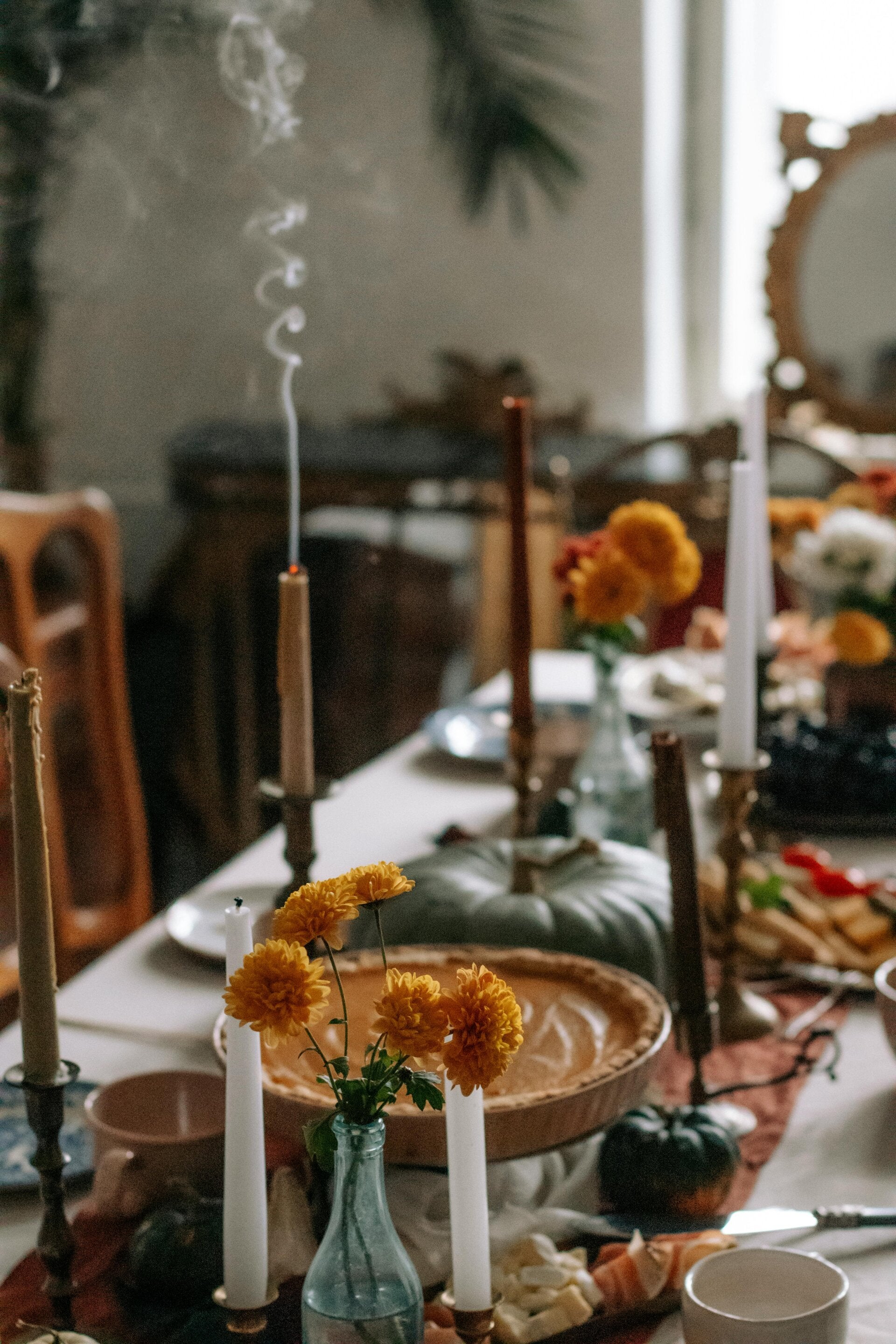
Every meal became a reminder: We belong to a kingdom not of this world.
2. The Thanksgiving Was About Jesus, Not the Meal
When early believers gave thanks, they weren’t thanking God for the food first. They were thanking God for:
-
the Body of Christ, broken for us
-
the Blood of Christ, sealing the New Covenant
-
the unity of believers
-
the forgiveness of sins
-
the victory over death
-
the privilege of gathering
-
the presence of the Holy Spirit guiding them
It wasn’t about abundance… It was about the Lamb.
The table pointed backward to the Cross
and
forward to the Marriage Supper of the Lamb.
3. Communion Was a Family Meal — Not a Performance
There were:
-
no stages
-
no microphones
-
no VIP seats
-
no quick rituals to stay on schedule
-
no splitting between “clergy” and “common people”
Everyone brought something. Everyone shared. Everyone examined their hearts. Everyone honored the Lord.
Communion was not an aside at the end of service. It was the center of their gathering. To them, this was church.

For them, communion wasn’t symbolic. It was sacred. It was their Thanksgiving.
4. The Early Church Took It Seriously — Very Seriously
Paul gives a harsh warning in 1 Corinthians 1:1, not because people took communion too lightly, but because some were treating the meal like a feast for themselves instead of a covenant meal. The early church believed:
-
you don’t take the Lord’s table with division
-
you don’t eat without examining your heart
-
you don’t come to the table in pride or sin
-
communion is an act of covenant loyalty
-
unity matters
-
repentance matters
-
love matters
5. The Love Feast Faded… and Something Was Lost
Over time:
-
persecution increased
-
gatherings moved from homes to buildings
-
leaders formalized the ritual
-
the shared meal disappeared
-
communion shrank to a token and a sip
-
the meaning was diluted
And with that loss came:
-
less community
-
less confession
-
less shared life
-
less unity
-
less accountability
-
less joy
The early church understood something we often forget:
You cannot take communion in isolation.
It was always meant to be a family table, the Lord’s table.

This is the heart we’ve lost. And this is the heart I believe God is calling the modern church back to.
6. What the Early Church Would Call True Thanksgiving Today
If you asked a first-century Christian what “Thanksgiving” meant, they would say something like:
“Giving thanks together for the body and blood of Jesus and sharing a meal with the family of God.”
Their Thanksgiving looked like:
-
communion
-
fellowship
-
worship
-
generosity
-
unity
-
shared burdens
-
shared food
-
shared joy
-
a deep sense of belonging
-
remembering the Cross together


Our Challenge?
This Thanksgiving season, the challenge is to remember that you don’t need a big house, a perfectly set table, an elaborate feast, or a Pinterest-worthy display. What truly matters is having bread to share, a cup to lift, prayer to offer, Scripture to read, believers to gather with, and gratitude to express.
Thanksgiving in its purest form is remembering Jesus, loving one another, living as the Body of Christ, and breaking bread with reverence and joy. It is the kind of Thanksgiving the early church experienced, and it is a celebration we can embrace more than once a year. Jesus called us to do this "Often in remembrance of Him"
So, this Thanksgiving season I urge you to seek God. Find the traditions that we practice and start asking questions. Why do we do certain things? Why does our communion look like it should be in a museum not a family gathering. When I think about what we are missing, the traditions that have been modified so much it no longer looks like it once did.
A powerful example in our world that may help illustrate this point. I am not suggesting that communion is rejected by God, but rather that through changes, we are the ones missing out. Much like with Sabbath worship, it is us we punish.
One day, I used my printer to take a picture of a pencil. I asked Zoie what I had done, and she replied, “You copied a pencil.” Then I copied that copy and soon realized that our faith today often resembles a copy of a copy of a copy.
As I continued making copies of copies, it became clear that only the original was truly precise, accurate, and fully capable of showing exactly what it was meant to be. Some later copies were still recognizable, but a closer inspection revealed subtle differences. Each subsequent copy grew weaker and less defined.
This, sadly, reflects the state of our church today: faded, unclear, undervalued. Our only hope is to return to the Designer and study the master copy.

1. WHEN DID THE SHIFT HAPPEN?
So the shift:
FROM: 30–90 AD (heart)
TO: 350–400 AD (ritual)
About 300 years from full heart → full act.
The shift from Love Feast (Agape Meal) → ritualized communion occurred in three major stages:
Stage 1 — Late First Century to Early Second Century
AD 90–140
The Love Feast still existed, but pressure and disorder began.
Stage 2 — Mid Second Century to Early Third Century
AD 150–250
Communion began separating from the meal.
Stage 3 — Fourth Century Empire Church
AD 313–400
The Love Feast was almost fully abolished.
Communion became a ritual performed by clergy, not a family meal.
2. WHAT CAUSED IT?
Reason 1 — Abuse & Disorder (Corinth problem)
Some early gatherings became chaotic:
-
people overeating
-
wealthy believers refusing to wait
-
division at the table
Paul addressed this in 1 Corinthians 11.
This was the first crack in the foundation.

Reason 3 — Growth Outpaced House Structure
By AD 100–200:
-
some churches had 100, 200, 300+ people
-
house gatherings couldn’t handle full meals
-
leaders were overwhelmed
Smaller meals → symbolic meals → no meals.

Reason 5 — The Roman Empire Legalizes Christianity (AD 313)
Constantine changed everything.
When Christianity became legal:
-
churches moved from homes → basilicas
-
clergy gained political authority
-
rituals replaced fellowship
-
the Love Feast became “inappropriate” for formal worship
By AD 350–400, the Love Feast was declared “disorderly” and banned in many regions.
Communion:
from meal → to ritual
from shared → to sacred performance
from every believer → to clergy only

Reason 2 — Persecution & Suspicion
Romans accused Christians of:
-
cannibalism (“eating a body”)
-
secret immoral feasts
To avoid false rumors, the church:
-
shrank the feast
-
hid it
-
made it simpler
-
separated the bread/wine from the food

Reason 4 — Rise of Clergy Structure
As trained leaders emerged, so did control.
Communion slowly shifted:
from table → to altar
from shared meal → to priest-led sacrament
from family → to hierarchy
from fellowship → to ceremony
This was NOT Scripture.
It was pressure, fear, and scaling issues.

3. HOW DID THE SHIFT START?

Phase 1: Bread & cup separated from the food
The earliest change was mild:
-
They still ate a meal
-
They still took communion
-
But they didn’t do it in the same flow
This happened around AD 80–120.
Phase 2: The cup moved to the beginning
In some churches, they started copying synagogue liturgy instead of the Last Supper pattern.
Jewish synagogue order = bread first, cup second
Christian Love Feast order = bread first, meal, cup last
So churches began simplifying.

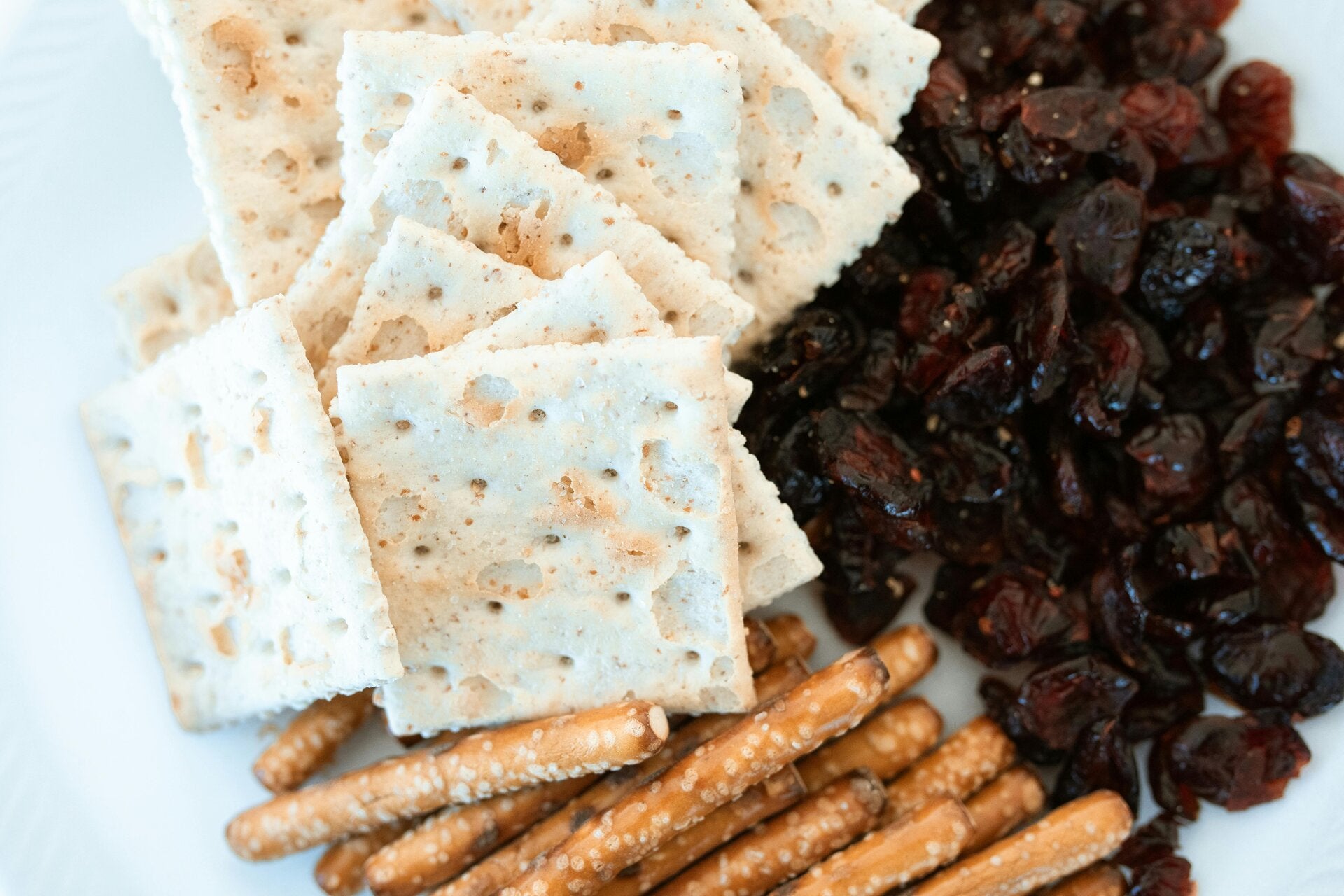
Phase 3: Meal became a “fellowship snack”
The real food gradually disappeared.
By AD 150–200:
-
many communities served “light food”
-
full meals were discouraged
-
especially in urban churches
Phase 4: Communion becomes clergy-only
By AD 200–250:
-
the bishop had to bless the elements
-
“presbyters” began fencing the table
-
common believers were not considered fit to distribute the meal
-
this created gaps in unity
-
the meal shifted from a shared act to a controlled ritual


Phase 5: Agape (Love Feast) abolished
By AD 350–400:
-
many councils forbade it
-
it was labeled “messy” and “disruptive”
-
meal gatherings were outlawed inside church buildings
- they wanted control not order
Communion remained …
But the heart of it died.
4. HOW FAST DID IT GO FROM HEART → ACT?
In two to three generations, the heart weakened.
In four generations, the act took over.
Shockingly fast in human terms. Painfully slow in spiritual terms.
The shift looked like this:
-
AD 30–90 — Full heart, full meal, full unity
-
AD 90–150 — Bread & cup separated from meal
-
AD 150–220 — Meal simplified → symbolic fasting replaced full eating
-
AD 220–300 — Clergy control → ritual form begins
-
AD 300–400 — Meal abolished → ritualized Eucharist only
⚠️ Summary: Why the Heart Was Lost
-
Disorder at the table → fear of abuse
-
Persecution rumors → meals seen as dangerous
-
Church growth → households couldn’t contain large groups
-
Professional clergy → control over sacraments increased
-
Roman influence → formal worship replaced home gatherings
-
Comfort → a meal takes time, ritual does not
It wasn’t one thing. It was everything — all at once — slowly shifting the church away from the table Jesus gave us.
If you have stayed with me through this whole post, I want to say thank you for your support. I have been on a journey the past 3 years of really trying to find the heart of God in all this chaos and noise in our life's. It is never easy when so much information is passed around like facts. Then we turn it into tradition and never question it. I hope today you have learned even in church we need to start asking "Why do we do this?" If the answer is I don't know then find out. Start asking questions. Jesus said to come like little children. There is a 3 year old in this house. My precious grandson and let me tell you he ask lots of questions. Be like the 3 year old and start asking question.
Abba,
Please as we go through this week and begin to celebrate the Thanksgiving holiday, I ask that you remind us of what the meal You shared with Your Disciples in that Upper Room. Let "Church" break out at our homes as we gather around the table. Give us the desire to drop the facades and start healing our families openly talking, sharing our struggles and even more so allow us the ability to be like the group in the story today and feed the widow that was struggling first. Create the desire to hear others and not simply listen to words as if what they say is empty. Help us heal Father from all the distance we have allowed time to create. Our relationship with you would change so much if we only asked questions like a 3-year-old. Fill our spirit with questions to start asking. Give us courage to face those answers with change. Allow us to step out of culture and into you. In Jesus name AMEN.
If you would like to help support this truth telling ministry, click the coffee cup. I thank you for your support. Liking, Commenting, and Sharing is another way to support me. My goal is not to get rich off God. Not in the monetary sense. I want to awaken every day to his truth, grace and mercy. I want to challenge my beliefs and not do what the generation that killed Jesus, "physically" Our sin is still why Jesus took our punishment, did. They allowed 400 years of silence and rumors and small changes blind them to His coming. I don't want to be blind.
Add comment
Comments